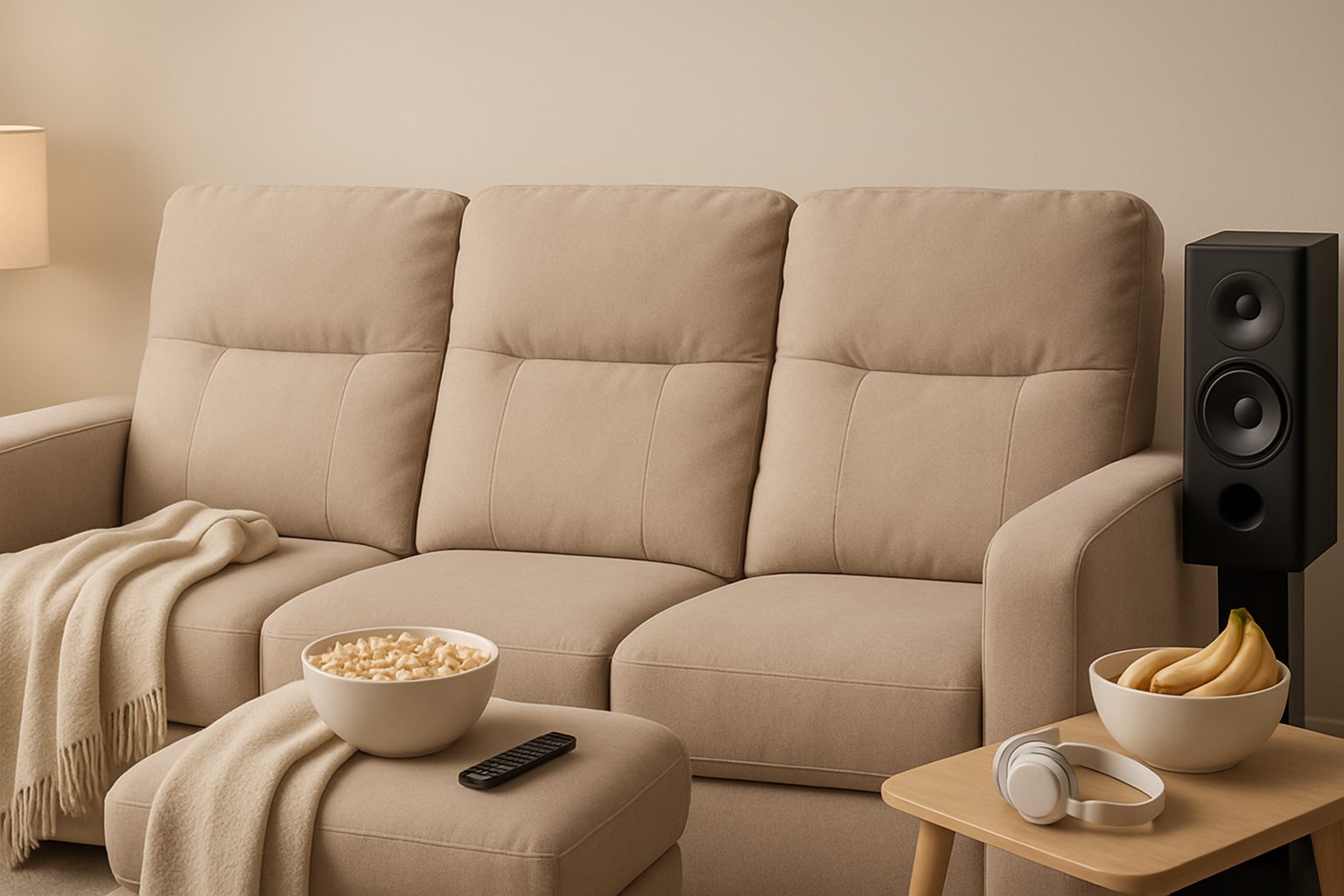
Home Cinema Pod Chairs & Capsule Seats UK: Are They Worth It?
If you've scrolled through Instagram home cinema setups, you've probably seen them: those sleek, cocooning pod chairs that look like something between a spacecraft seat and a luxury egg chair. They've become the aspirational centrepiece of boutique home theatres across the UK. But beyond the Instagram appeal, are they actually worth the investment, or are they overpriced novelty furniture?
What Are Home Cinema Pod Chairs?
Pod seating comes in three main flavours: the egg chair (a fabric-wrapped, rounded shell), the capsule seat (typically a leather enclosure with a more geometric shape), and zero-gravity recliners designed to cradle your body. These aren't standard cinema seats with cup holders—they're immersive, statement pieces designed to isolate you from the outside world and direct all sensory attention toward your screen.
The appeal is straightforward: they look incredible, they promise cinema-quality comfort, and they signal to visitors that you've taken your home viewing seriously. Prices range from £1,500 for a mid-range fabric pod to £5,000–£8,000+ for leather luxury versions, sometimes higher for bespoke designs.
Space Requirements: The Reality Check
Here's where many people hit their first practical snag. A home cinema pod chair isn't like a regular armchair you can squeeze beside a sofa. These pieces are large—typically 1.2–1.5 metres wide and 1.0–1.2 metres deep. Some high-end models are even more cavernous.
For a pod chair to work properly, you need:
- At least 2.5–3 metres of wall space if you want a single unit
- 3–4 metres if you're planning two pods (a realistic couple's cinema setup)
- Enough clearance around the pod so it doesn't feel cramped in the room
- A room depth of at least 4–5 metres so you're not sitting too close to the screen
If your room is modest—say, a spare bedroom measuring 3.5 x 4 metres—a single pod might fit, but you'll sacrifice flexibility. The chair becomes the centrepiece, and you can't easily rearrange. For smaller spaces, a quality leather recliner or a sectional setup often makes more practical sense.
Immersion Benefits: What You Actually Get
The immersion argument has real merit. A properly designed pod with high sides and a slight forward angle does create a focused viewing environment. You're less aware of the room's lighting, any light bleeding from gaps in your blackout curtains, or household clutter. This psychological narrowing of attention actually does enhance the film-watching experience—your eye stays on the screen, and the peripheral distraction drops significantly.
The cradling sensation also matters. If a pod has good lumbar support and the recline angle is genuine (not a gimmick), you can sit for a 2–3 hour film without the fatigue you'd feel on a standard sofa. Some users report that the enveloping design makes them more aware of surround-sound details too, though that's partly psychology.
However: a pod chair alone isn't enough for real cinema immersion. You still need a proper projector or large 4K screen, good audio (soundbar minimum, ideally a surround setup), and decent blackout measures. The chair is the final 20% of the equation. If your AV setup is mediocre, the pod won't fix it.
The Durability and Maintenance Factor
Here's a practical consideration most reviews skip. Pod chairs with fabric coverings can show dust, pet hair, and body marks within months if they're light-coloured. Leather is easier to wipe down but needs conditioning, and cheaper faux leather can crack within 3–5 years. The moving parts—recline mechanisms, swivel bases—are fewer than in traditional recliners, which is good for longevity, but cheaper hinges and motors can fail after heavy use.
Real experience reports from UK forums suggest that decent-quality pods (£2,500–£4,000) hold up reasonably well for 7–10 years if you treat them right. Budget versions (under £1,500) are often a false economy—the covering degrades faster, and the structural frame can sag. Luxury brands often come with 5–10 year warranties, which is worth factoring into the cost-per-year calculation.
Price: Are You Paying for Design or Function?
Here's the uncomfortable truth: you're largely paying for aesthetics and brand. A £3,500 designer pod and a £2,000 lesser-known brand might offer near-identical comfort, but the designer version has the name, the sleeker materials, and the resale appeal.
Budget pods (£1,000–£1,800) work fine for casual viewing but feel hollow and lack proper support. Mid-range (£2,000–£3,500) is where the value genuinely exists—adequate durability, decent comfort, and good looks. Premium (£4,000+) is where you're paying partly for the name and partly for superior materials and customisation.
For comparison, a decent leather cinema recliner costs £800–£1,500, and a quality sectional with good cushioning runs £2,000–£3,500. The pod doesn't need to cost more—you're paying a premium for the look and the exclusivity.
Are They Worth It?
Yes, but with conditions. A home cinema pod is worth buying if:
- You have the floor space (genuinely—not a tight squeeze)
- You're already investing in proper AV equipment
- You use your cinema room regularly (at least 2–3 films per week)
- You value the aesthetic as much as the function
- Your budget stretches to mid-range or above (£2,000–£4,000+)
Skip it if you're in a small room, if you're treating it as a once-monthly viewing space, or if the AV setup is still basic. A quality recliner or a modular cinema seating setup will serve you better.
Pod chairs are genuine and they work—but they're specialist furniture for committed home cinema setups, not a miracle shortcut to immersion on a budget.
More options
- Home Cinema Recliner Chairs — Amazon UK (Amazon UK)
- Electric Power Recliner Sofa — Amazon UK (Amazon UK)
- Home Cinema Seating Row with Cup Holders — Amazon UK (Amazon UK)
- Leather Home Cinema Chair — Amazon UK (Amazon UK)
- Home Cinema Pod & Capsule Chair — Amazon UK (Amazon UK)